

The commercial property market in Florida is evolving, and investors face a recurring question: is it smarter to buy turnkey real estate or pursue value-add real estate opportunities? Both strategies have appeal, but their risks, returns, and effort levels differ significantly. In 2025, with shifting market dynamics, the answer depends on your goals and tolerance for hands-on involvement.
What Is Turnkey Real Estate?
Turnkey real estate refers to properties that are fully renovated, leased, and managed, allowing an investor to begin generating income immediately. The appeal lies in its simplicity: purchase, close, and start collecting rent.
In Florida, turnkey opportunities often include stabilized office buildings, fully leased retail centers, or multifamily properties with professional management already in place. Investors who want predictable income streams without operational headaches are drawn to this model.
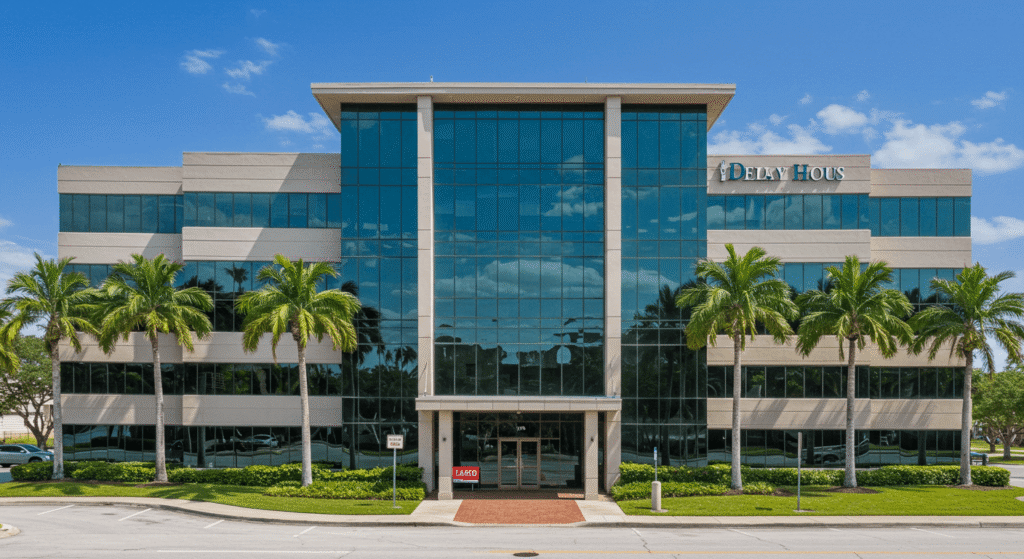
Key advantages of turnkey real estate include:
- Immediate cash flow: Properties already generate rental income.
- Lower risk exposure: Renovations and lease-ups are complete.
- Hands-off management: Third-party companies often handle operations.
What Is Value-Add Real Estate?
Value-add real estate involves purchasing properties with potential for improvement, then enhancing them to increase value and rental income. This could mean renovating outdated interiors, upgrading amenities, rebranding a retail space, or repositioning a building in a growing neighborhood.
Florida’s dynamic markets—such as Miami, Tampa, and Orlando—are full of opportunities where underperforming assets can be transformed into high-yield investments.

Benefits of value-add real estate include:
- Higher return potential: Added value translates into greater appreciation and rental growth.
- Creative control: Investors shape the property’s positioning.
- Market leverage: Strong demand in Florida often rewards well-executed improvements.
Turnkey vs. Value-Add in 2025: Market Trends
In 2025, Florida’s commercial real estate market presents unique dynamics:
- Turnkey real estate continues to attract out-of-state and international buyers looking for stability, particularly in multifamily and office space for sale markets.
- Value-add properties are benefiting from migration trends and business relocations, with investors targeting areas like Tampa and Miami for repositioning projects.
Turnkey real estate offers stability and immediate income, while value-add real estate provides higher risk but greater potential returns. In 2025, Florida investors seeking passive income may favor turnkey, while those chasing growth opportunities may prefer value-add strategies.
Which Strategy Fits Your Investment Goals?
The choice comes down to priorities:
- Choose turnkey real estate if you want reliable income, lower risk, and limited involvement. It’s ideal for investors seeking passive opportunities or portfolio diversification.
- Choose value-add real estate if you’re comfortable with higher risk, want to be more hands-on, and aim for significant upside through repositioning.
For many investors, a balanced approach—holding a mix of both turnkey and value-add assets—provides stability while capturing growth potential.
Florida Case in Point
Consider the rising demand for retail space for lease in Florida, where value-add investors renovate older strip centers to attract new tenants. At the same time, turnkey buyers secure stabilized retail plazas with long-term leases, benefiting from steady rent.
Similarly, industrial property for sale in Florida is seeing both models thrive: turnkey warehouses deliver immediate logistics income, while value-add buyers transform outdated facilities to meet e-commerce demands.
Final Thoughts
Both strategies—turnkey and value-add—offer compelling advantages in Florida’s competitive market. The best choice depends on whether you prioritize stability or growth.
If you’re exploring commercial real estate opportunities in Florida, now is the time to align your investment strategy with your long-term goals. Contact our team today and let’s discuss the best strategy for your portfolio.